
15+ Best Wedding Venue in Selangor Worth Checking Out Wedding...
Read More15+ Best Wedding Venue in Selangor Worth Checking Out Wedding planning in Selangor is surely a hard job because there are many …

For every concert, sports game, technology conference, or even charity run you attend, you can be sure to spot a banner with a string of company logos. Some of them may be big brands, and some may be brands you have no idea about. More than likely, no one is even paying attention to them.
However, what they do not understand is that every single one of them has a calculated business decision behind them, and they are not talking about money and business decisions alone; they are talking about relationships and a whole lot more.
There are a whole lot of misconceptions when it comes to event sponsorship, and most people assume that when a company chooses to sponsor an event, they are simply paying to have their logo put on a banner, but they are not.
When an event is sponsored by a company, it implies that the event organizers are entering into some sort of partnership with the sponsors. The event organiser gets the financial support they need to run the event, and in return, the sponsor gets some sort of promotional benefits – impression of their brand with the participants.
More: How event company works
It is a win-win situation. The event organiser gets the financial support they need, and the sponsor gets to promote themselves.
It is quite simple. Very strategic.

There is no one reason why companies choose to sponsor events. More often than not, it is a combination of reasons that is in line with where they want to see the business go. Here is what is driving that choice:
Brand Visibility and Awareness
This is the most obvious one. If thousands, or millions, are attending an event, or streaming it online, then they are seeing your brand. The more they see you, the more they will become familiar with you, and the more familiar they are, the more they will trust you. Companies that show up time and time again to the same events, and the same type of events, become familiar, and eventually, synonymous with the industry they are in. And that is no accident.
Targeted Audience Reach
The idea behind sponsorship is not to reach thousands, or millions, of people. The idea is to reach the people that are most likely to need what you are offering. The fintech company sponsoring the startup conference knows their audience is in the room. The wellness brand sponsoring the marathon knows their customer is crossing the finish line. Event sponsorship allows companies to place their brand in front of the people they need to reach.
Credibility by Association
There is something powerful about being associated with other, more prestigious brands. When your brand is listed as a sponsor for a prestigious event, a little bit of that event’s credibility follows your brand around. This can be especially true in competitive markets, where a brand’s image can be altered by such an event.
Lead Generation and Conversion Opportunities
One of the few places where you can engage with potential customers in a tangible, human way is through events. Being a sponsor means you will be given a booth that allows your brand to engage with your audience in a way that digital advertising simply can’t compete with. People retain experiences much longer than they retain advertising messages.
Community and Relationship Building
For B2B brands, events are ultimately about relationships. By sponsoring the right conference or networking event, the brand gets the opportunity to be in the same room as partners, clients, and even competitors.
While the brand is putting down its sponsorship cheque, they’re not doing so blindly. There’s an actual agreement in place, and the sponsorship agreement will have specific details on what the brand gets in return. Depending on the sponsorship tier, the brand could expect the following:
The higher the sponsorship level, which is normally classified into Title, Gold, Silver, and Bronze Sponsorship, the more benefits a brand stands to gain. This is the clearest indication of the value of the relationships built by a brand and the fact that the more premium the sponsor, the more they are entitled to a first refusal on the next event.

Events are a growing industry in Malaysia over the last decade or so. From music festivals to trade shows, corporate events to sports events, many brands are now recognizing the importance of attending events. It is not just a place where brands turn up; it is a place where brands network.
According to the Malaysia Convention and Exhibition Bureau (MyCEB) report, published in 2023, the MICE market contributed significantly to the tourism sector in Malaysia, attracting local and international participants. The growth in the MICE market is an indication that the sponsorship market is maturing, and sponsorship is being taken seriously as a marketing strategy, not as an add-on.
For example, local brands in the telecommunications, banking, F&B, and automotive industries have over the years taken sponsorship as a way to reach Malaysian consumers. Moreover, the sponsorship market is now reaching not only physical attendees but also virtual ones, as the hybrid model was born as a result of the COVID-19 pandemic.
Agencies like Kollysphere have witnessed firsthand the changing attitude and approach adopted by Malaysian brands in the sponsorship market.
Not all sponsorships are created equal, and what differentiates a successful sponsorship from a failed one is often based on the following criteria:
Alignment with the audience . If the audience does not match the target audience, then a large booth from a brand will not make a difference. Brand alignment is huge.
Activation quality. Simply showing up does not count if a brand does not make a difference through the development of a unique and interesting experience. Those brands that make a difference are seeing the benefits, and those brands that simply show up and put up a banner are not.
Integration with channels. The most successful sponsorships are not just those within the event, but also those that are supported through social media, email, and other PR activities.
Clear Objectives and Measurements
What are we trying to accomplish? Leads generated? Social impressions? Sentiment changes?
If objectives are not clearly defined, how can one possibly determine if the sponsorship was worth the cost?
This is also where an event agency can help and potentially add value to a sponsorship strategy. The experienced teams at an event agency like Kollysphere can help brands make these decisions, from what events they should be sponsoring to how they create a sponsorship activation that reaches the audience.

It is a two-way street, and while sponsors are looking at the events, the events are also looking at the sponsors.
So, what do they look for?
The following are the general criteria:
The best sponsorship relationships are those that feel like a partnership, rather than a transaction. When both sides are committed to making the experience an amazing one for the attendee, then everyone wins.
Return on investment for sponsorship was, until recently, a very difficult number to track. With modern events, especially those that have a digital element, there is a vast amount of measurable data available compared to previous years.
Some of the most common metrics used to measure sponsorship ROI are:
The event sponsorship industry is becoming a much more data-driven business, and sponsors are becoming much more accountable. The best event organizers and agencies are rising to meet this need.
Something that often doesn’t get discussed is that the best sponsorship campaigns are rarely one-off campaigns. The best campaigns are built over time.
If a brand is able to show up year after year, event after event, or community after community, then that brand starts to become a part of that community. It starts to become a part of that environment, and this is something that is extremely difficult to accomplish through traditional means of advertising.
If a brand is able to approach event sponsorship as a long-term strategy, rather than a one-off strategy, then that brand is able to build a level of trust that is extremely difficult to replicate.
At kollysphere, we’ve seen brands at different stages of the sponsorship journey, and one thing we’re sure of is that those who take their time and plan are always the ones who succeed in the end.
Well, it means they are strategically investing in visibility, relationships, and brand growth. It means they believe in the power of events to reach people and accomplish things digital marketing sometimes can’t accomplish. It means they’ve spotted a particular audience in a particular context worth showing up for.
If done right, event sponsorship is one of the most human forms of marketing out there – brands showing up where people are, rather than where a computer algorithm predicts they might be.
If you’re considering event sponsorship, whether as a brand looking to invest or an event organiser looking to build your sponsorship proposition, then reading and grasping what we’ve said above is a first step to getting event sponsorship right.

15+ Best Wedding Venue in Selangor Worth Checking Out Wedding...
Read More
25+ Wedding Venues in Penang, Your Complete Guide to Choose...
Read More
How to Choose An Event Location That Supports Your Vision...
Read More
How to Kick-Start an Event and Have It Be Successful!...
Read More
15+ Best Wedding Venue in Selangor Worth Checking Out Wedding planning in Selangor is surely a hard job because there are many …

25+ Wedding Venues in Penang, Your Complete Guide to Choose the Best Venue Thinking of marrying in Penang? Then, you have definitely …
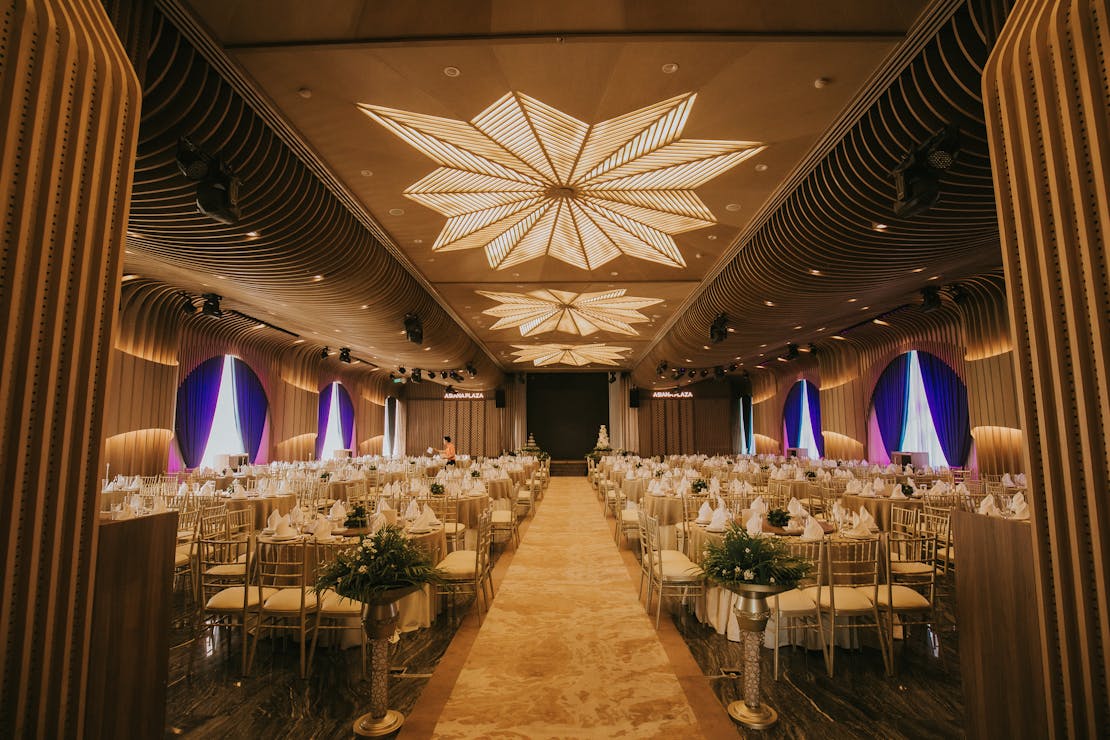
How to Choose An Event Location That Supports Your Vision Selecting the right venue is not only the first thing an event planner should …