
How to Plan a Community Event That People Actually...
Read MoreHow to Plan a Community Event That People Actually Show Up For Planning a community event is one of those activities …
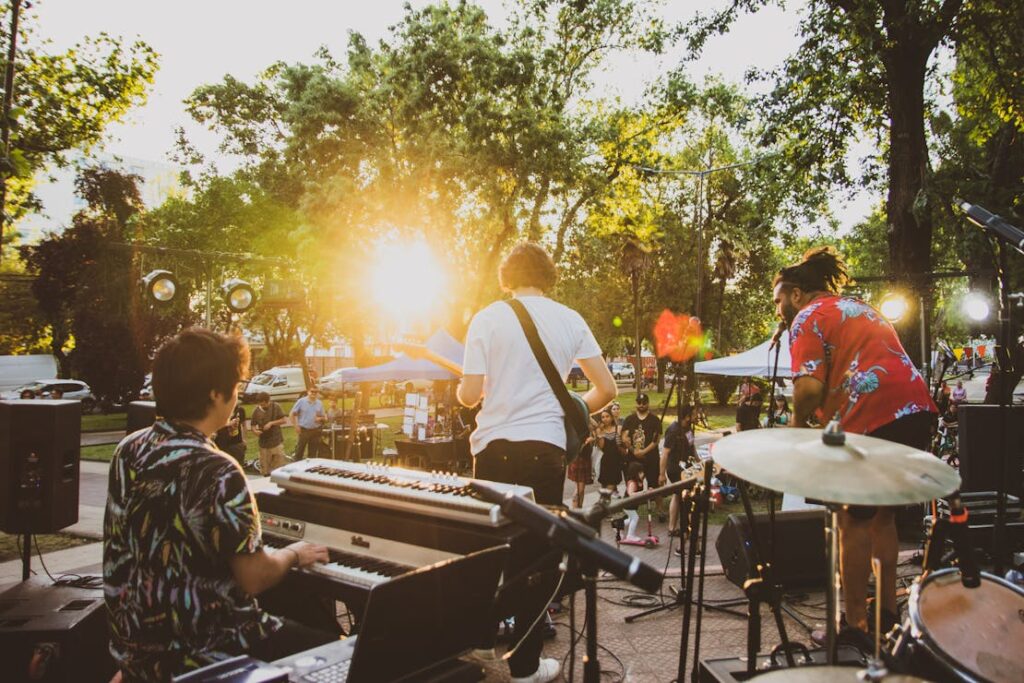
Planning a community event is one of those activities that sounds really fun and exciting – until you are three weeks into your planning and you suddenly remember you forgot to book a venue for your event, your budget is already stretched thin, and half your volunteers have still not replied to your WhatsApp group. Sound familiar?
The truth is, planning a community event is actually one of those activities that sounds really fun and exciting on paper but actually requires a lot of work in terms of coordination, creativity, and yes, patience. Whether you are planning a community carnival, a charity event, or a cultural festival, the truth is, it takes more than just good intentions to plan a good community event.
This guide will walk you through the steps on how to plan a community event in a way that is both practical and realistic, yet fun to do.
More: What it means when company sponsors an event
Before you book anything, including spending a single ringgit, ask yourself: why are we doing this?
Your purpose will help you make all the decisions you will make afterwards, from the venue, the audience, the activities, the marketing strategy, and so on. A community health awareness event is obviously different from a block party or an arts event for youth, for example.
Of course, it’s great to say, “We want to bring the community together,” but it does not give you a clue on what to do. Be more specific, like this: “We want to bring together the community in an event that is both inclusive and family-friendly, celebrating community culture, raising funds for the renovation of our community centre.”
That’s your purpose. That’s something you can work with.
After you’ve got your purpose down pat, it’s time to set your goals. Do you want to attract 500 attendees? Raise RM10,000? Raise awareness for a social cause? Goals give your event team direction, and it’s something to measure your success against.

Most events experience financial difficulties. People get enthusiastic and start planning big, but the bills later catch up with them.
Start with what you have, and not what you wish you had. Consider the cost factors for your event. These will include:
Consider your income sources. Will you sell event tickets? Will you seek sponsorships? Will you apply for grants? Will you sell food and other products?
A survey conducted by the Malaysia Events Industry Association in 2023 indicated that close to 42% of community events in Malaysia experience financial difficulties due to the failure to estimate the cost of logistics.
Don’t wait until you’re committed to things before figuring out how you’re going to pay for them. Do the budget math up front. Honest.
The venue will determine the entire feel and ambiance of your event. So, it has to be practical and appealing to your audience.
Consider the following questions when choosing a venue:
You must also think about the logistics of moving your equipment in and out. Some of the most popular event spaces in the Klang Valley have quite strict access times.
If you are planning an outdoor event, make sure you have a plan B in place in case of rain. Trust me; the Malaysian weather does not compromise on anything!
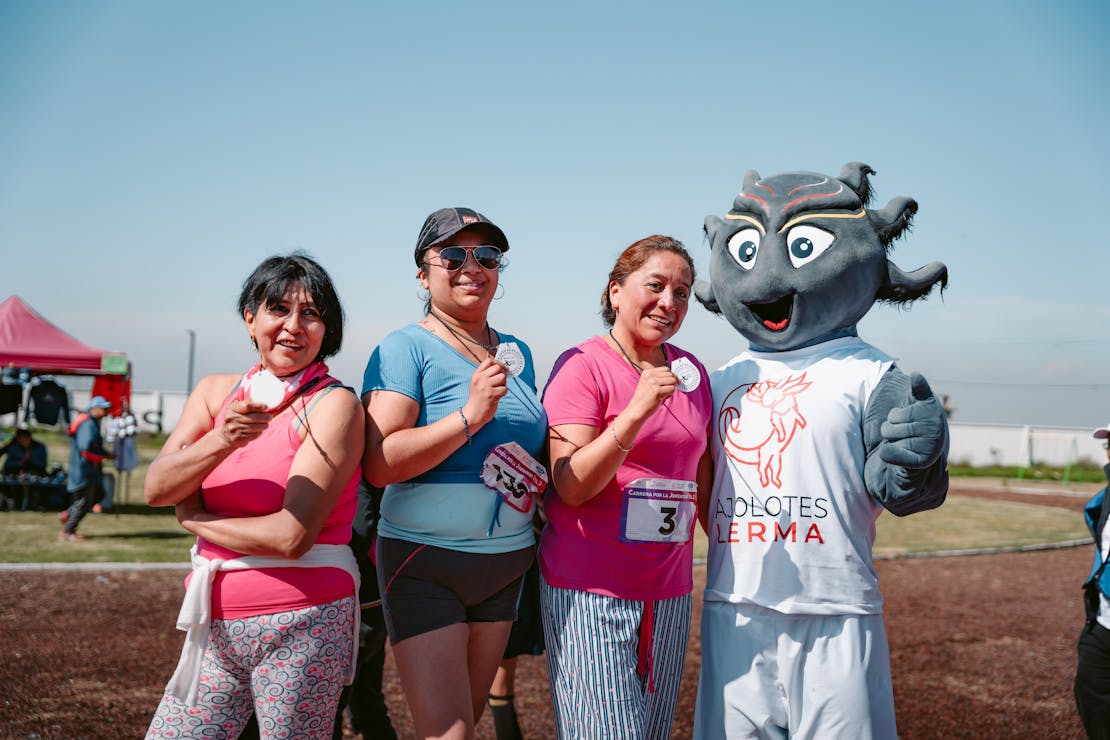
When organizing a community event, the key people involved are the people. The better you can define the roles of the people in your team, the better your event is going to turn out. People are more likely to take responsibility for something when it is assigned to them.
The biggest mistake people make is saying everyone is involved in everything. While this approach sounds very democratic and everyone-can-contribute, the reality is that nothing gets done because everyone thinks everyone else is going to do everything.
Here are some roles and responsibilities for people in your team:
If you lack the resources to handle this in-house, then working with an events agency can be incredibly liberating for your event planning team – especially if we’re talking about large-scale community events.
One of the most underrated tools in community event planning is the use of a timeline. Yes, we know – we all know the date of the event. But we’re not just talking about creating a timeline from the date of the event backwards. We’re talking about creating a timeline from the present day backwards.
Here is a basic outline for the event timeline for a mid-sized event in a community setting:
Day of: Show up early. Give your team a briefing. Breathe.
Of course, all of this is probably more relevant for larger events, but I suppose you get the gist. The more information you add here, the fewer surprises you will have.
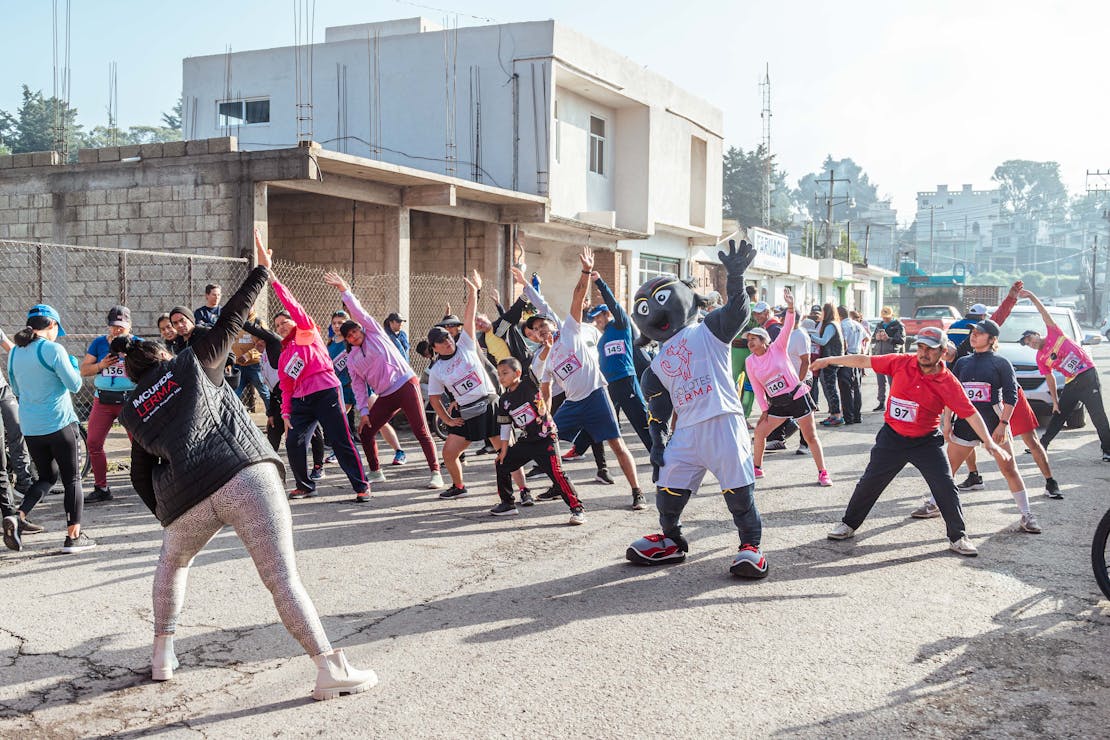
You may have the most fantastic community event in the world, but if no one knows about it, then you might as well just have your own little party.
It doesn’t have to be expensive; it has to be smart. Know the audience that you’re targeting. Identify where they will usually go.
For hyper-local events:
For a wider audience:
Our event agency has repeatedly emphasized the importance of creating buzz around your event over the importance of last-minute advertising. Anticipation is everything. Consistency is everything. You will not reach your audience by posting just once.
When pitching your event to the media, it’s not the logistics of the event that will get the media’s attention; it’s the human interest factor.
All the planning in the world will not stop things going slightly awry on the day. A supplier turns up late, the weather changes, a speaker pulls out. That’s just the nature of the beast.
What will set the good event organiser apart from the stressed-out one, however, is the ability to adapt and roll with the punches. Your team will feed off your energy and your calm, so whatever happens, just take a deep breath and remember to lead.
A few tips for the day itself:
And of course — document everything. Pictures, videos, attendance figures, feedback forms. All this data is gold dust for post-event reporting and planning the next event, as well as showing your sponsors the ROI on their investment.
Well, the event is over. Good. But your event planning process isn’t over yet.
One of the best things you can do for your event planning process is to hold a debrief within a week of the event. Get your team in the room and go over what went well and what didn’t. Document your findings.
Some things to ask yourself:
I have seen teams from Kollysphere events take the post-event review just as seriously as the pre-event planning. This, in itself, is part of what helps build the foundation for long-term trust.
Planning an event is work, and it is work that can be very rewarding. There is nothing quite like seeing everything come together and knowing that people are coming together, laughing, learning, or celebrating with other members of their own community because of something you have created.
Of course, this is not something that can be done overnight. It takes someone who is ready to properly plan the event, honestly work with the budget, build the right team, and stay calm when things get complex.
Regardless of whether this is your first time planning an event or whether this is your fifteenth, the basics are all the same. You have to be clear about why you are doing what you are doing. You have to be planning well ahead. You have to be communicating constantly. So that you and your team can handle whatever that’s unexpected.

How to Plan a Community Event That People Actually...
Read More
What It Really Means When a Company Sponsors an Event...
Read More
How an Event Company Works: Your Blueprint for Flawless Events...
Read More
8 Types of Brand Activations That Actually Move the Needle...
Read More
How to Plan a Community Event That People Actually Show Up For Planning a community event is one of those activities …

What It Really Means When a Company Sponsors an Event For every concert, sports game, technology conference, or even charity run you …

How an Event Company Works: Your Blueprint for Flawless Events But let’s get real here for a minute. It’s a blast being …